Collector Guide
Japanese Video-Game Guidebooks & Magazines: Buying for Collecting and Art Projects
Japanese gaming books can appeal to two very different buyers: collectors who want an intact piece of gaming history, and creators looking for interesting printed material. Choose your copy around what you actually want to do with it—not just an attractive cover.
First, decide what you’re buying
Strategy guides focus on a particular game. They may contain maps, item tables, walkthroughs, character information, or illustrations. Contents vary, so ask for sample interior photos rather than assuming every guide is an art book.
Gaming magazines, such as Famitsu or V Jump, capture a particular moment: previews, advertisements, screenshots, and coverage of games that were current when that issue appeared. Check the issue date and contents to make sure your favorite game actually features inside.
Art books and setting collections are often better choices if artwork is the main attraction. A thick strategy guide can still be mostly text and tables; page count alone doesn’t tell you how much art you’re getting.
Buying for a collection: check the exact edition
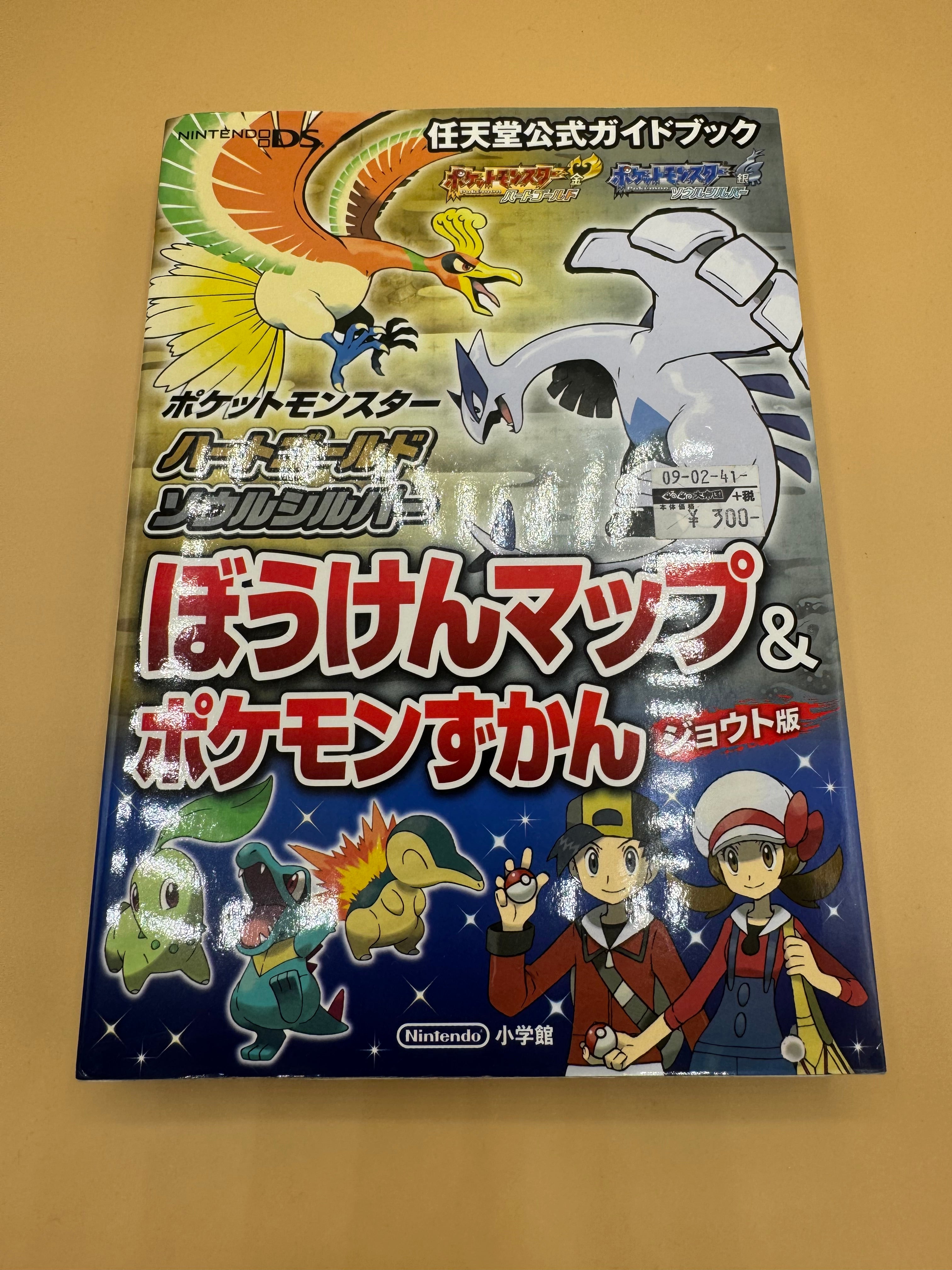
Edition example: the cover identifies a HeartGold/SoulSilver adventure-map and Johto Pokédex guide. Match the exact subtitle and game version before buying; a cover photo alone does not prove every supplement is included.
Photo: The Gaming Temple — actual inventory example, not a stock image.
Before purchasing, confirm the title, publisher, issue date or publication year, and ISBN when available. For guides, check which game version and platform the book covers. An expansion or revised edition may have different contents from the original.
Ask whether any original extras are included: a dust jacket, an obi—the removable paper band around some Japanese books—foldout maps, posters, stickers, or separate supplements. Not every publication originally included these, so “no obi” doesn’t automatically mean incomplete.
Request photos of the cover, spine, page edges, representative interior pages, and any included extras. Watch for missing pages, cut-out pictures, writing, torn foldouts, water damage, and loose bindings. Ask about odors too: photographs won’t reveal smoke or mustiness.
For pricing, compare the same edition and similar condition. A complete copy and a copy missing its poster aren’t equivalent. If importing, count the book price, service fees, shipping, and any applicable import charges—not just the attractive listing price.
Can you enjoy them without reading Japanese?
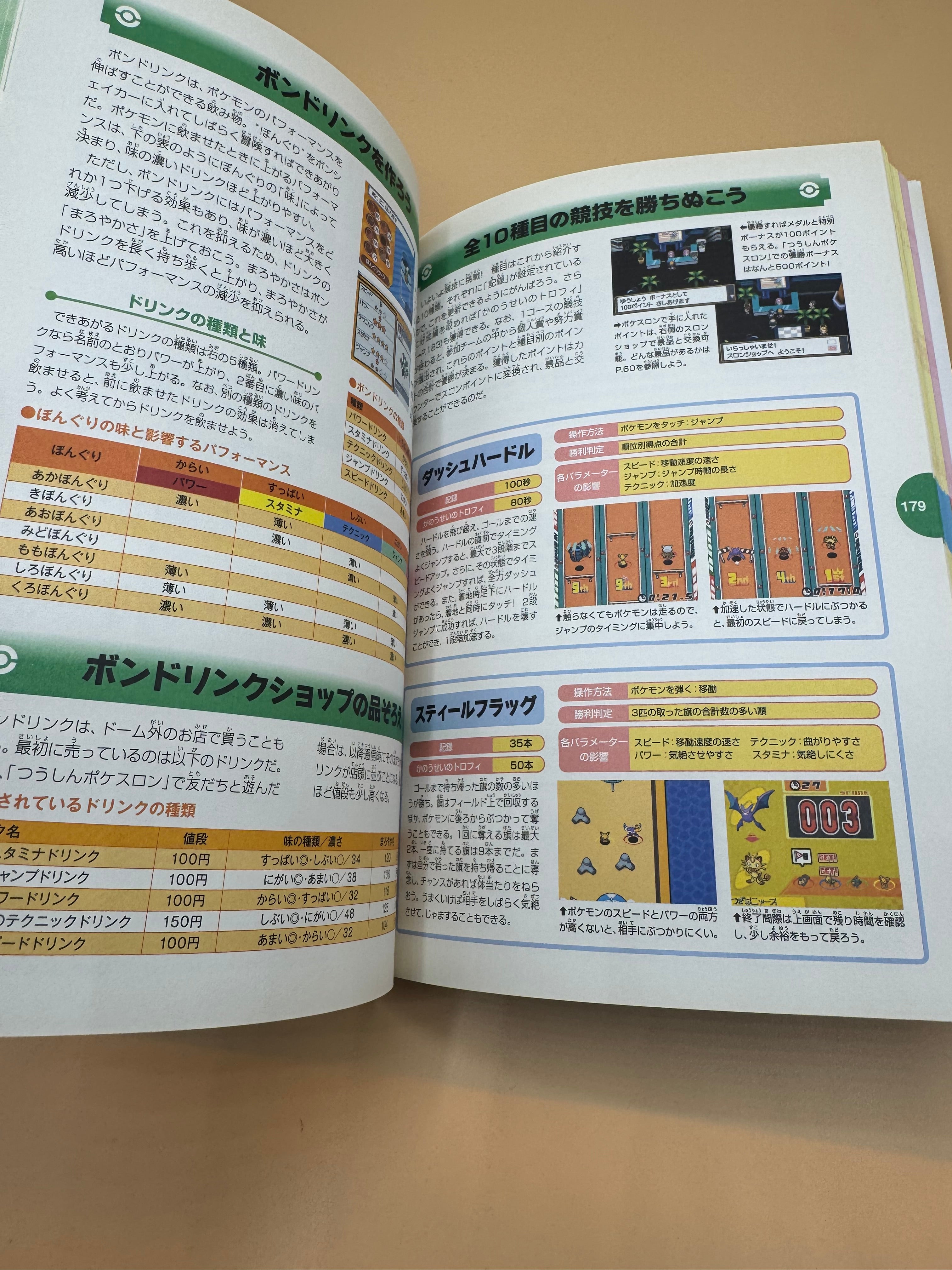
Practical-content example: another spread is mainly Japanese text and data tables. A thick guide is not necessarily an art book, and translation may be needed to use the information. Compare several interior pages before buying for display or projects.
Photo: The Gaming Temple — actual inventory example, not a stock image.
Yes, especially if you enjoy maps, screenshots, illustrations, and period advertisements. But visual appeal and practical usefulness aren’t the same thing. A Japanese walkthrough may be difficult to follow if you can’t read the instructions, and item names may differ from an English release.
Camera translation can help with headings and short passages, but small print, unusual layouts, and specialized game terms may confuse it. Treat translated instructions as assistance, not a guarantee. Interior photos are the best way to judge whether a book suits you before buying.
Choosing copies for art projects
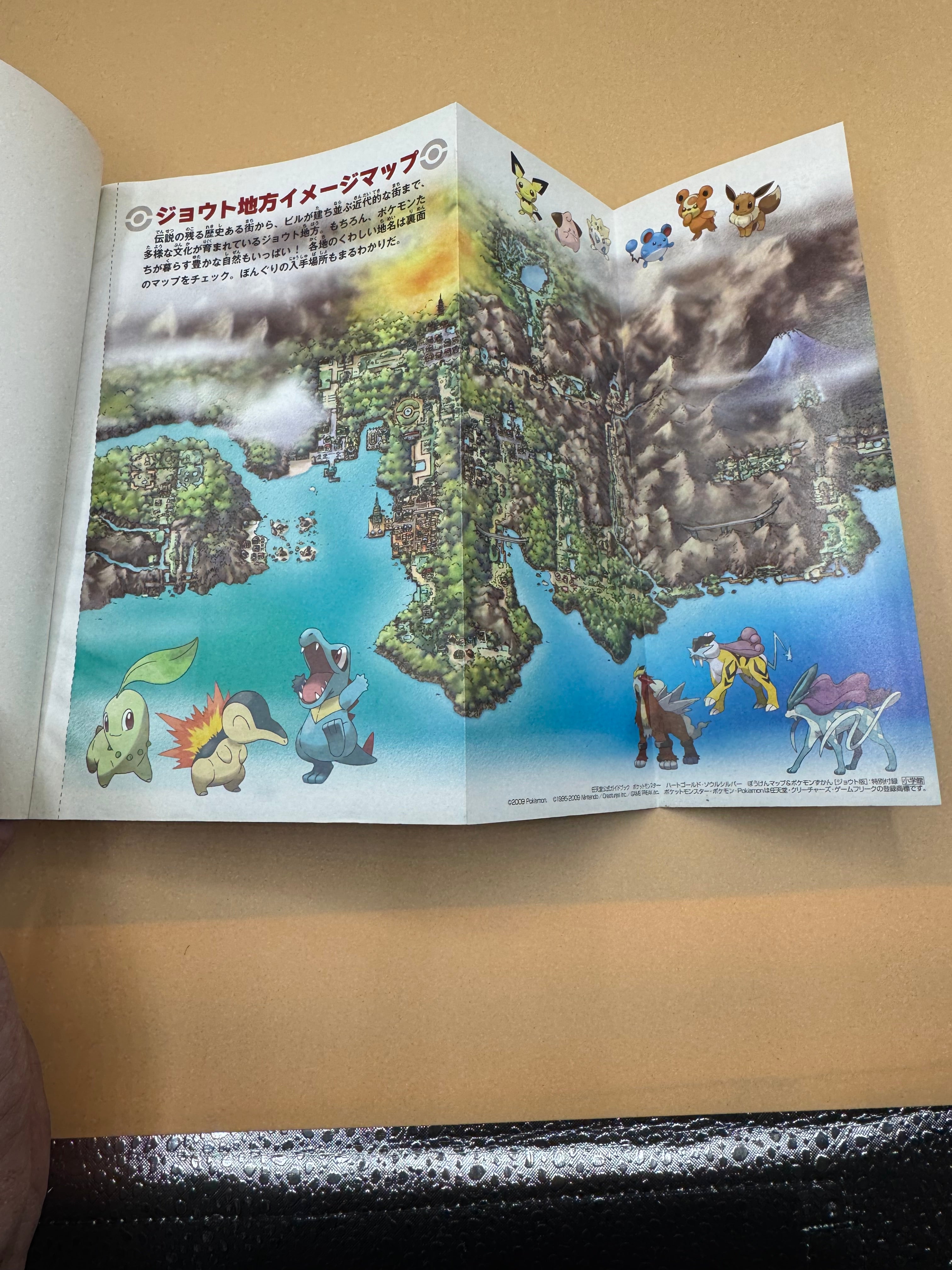
Visual-content example: this interior spread contains a large illustrated map. Ask for representative inside photos to see whether a book offers the artwork you enjoy. Preserve a collectible intact copy; choose a separate damaged or incomplete copy for cutting or collage.
Photo: The Gaming Temple — actual inventory example, not a stock image.
Start with common, incomplete, or already-damaged copies that still have clean, usable pages. Check that the damage doesn’t affect the artwork you want. A cheap book with stained or stuck-together pages can be a poor craft purchase.
Before cutting, check whether the issue or edition is scarce or contains an intact collectible supplement. When in doubt, preserve the original and choose another copy.
Possible projects include:
- A framed original page: use an existing loose page or a page from an incomplete copy.
- A gaming-history scrapbook: combine suitable clippings with your own notes and memories.
- A personal collage or journal cover: test paper and adhesive first; glossy paper can behave differently from plain paper.
- Original artwork inspired by the layout: borrow ideas about composition or color relationships while creating your own imagery, rather than copying characters or logos.
Keep one intact copy for your shelf if collecting matters to you, and use a separate low-condition copy for projects.
A copyright caution
Buying a book does not grant permission to reproduce its artwork. Using an original physical page, scanning it, printing copies, and selling character-based artwork raise different questions. Personal use is not an automatic copyright exemption, and fair use is decided case by case—not by a fixed percentage or by changing an image a certain amount.
If you plan to sell artwork or merchandise incorporating recognizable game art, seek permission or qualified legal advice first. This guide is not legal advice.
Keep your collection in good condition
Handle books with clean, dry hands. Keep them away from direct sunlight, damp areas, and food or drinks. Support the binding when viewing pages instead of forcing a tight spine flat. Avoid tape and glue on collectible originals; use suitable archival materials for storage and display.
The buying rule: for collecting, prioritize the correct edition, completeness, and condition; for projects, prioritize usable pages in a copy you won’t regret cutting.